The Power of Gratitude
Also see my Positive Psychology page.
With Thanksgiving on the calendar, gratitude often gets reduced to a holiday checklist item: say thank you, pass the mashed potatoes, post a picture. But beyond seasonal traditions, gratitude is one of the most powerful, evidence-based tools we have for improving emotional health, shifting perspective, and building resilience.
At Philadelphia Talk Therapy, I often work with high-functioning professionals who struggle to slow down, process success, or find satisfaction in their day-to-day lives. Many are overwhelmed, burnt out, or caught in cycles of perfectionism. Gratitude, grounded in positive psychology, offers a research-backed way to help recalibrate the emotional lens and reconnect with meaning.
So What Is Positive Psychology?
Positive psychology is the scientific study of well-being, resilience, and human strengths. Rather than focusing solely on what's wrong, it asks: What helps people thrive? What builds emotional stamina, joy, and fulfillment?
Pioneered by psychologists like Martin Seligman and Barbara Fredrickson, positive psychology doesn't replace traditional therapy approaches like CBT or psychodynamic therapy. Instead, it complements them by helping clients focus on what's going well, not just what's going wrong.
Gratitude is a cornerstone of this approach—alongside purpose, optimism, and character strengths. The research is clear: practicing gratitude regularly leads to better sleep, lower stress, stronger relationships, and even improved physical health.
The Actual Benefits of Gratitude
According to a wide body of research, gratitude impacts our mental health in tangible ways:
Improves mood and decreases symptoms of depression
Increases resilience in the face of stress or adversity
Enhances sleep quality and energy levels
Strengthens relationships and builds social bonds
Boosts self-esteem and reduces social comparison
One notable study from Emmons & McCullough found that people who kept weekly gratitude journals were more optimistic, exercised more, and felt better about their lives.
In my work as a Philadelphia therapist, I see how small shifts in mindset—especially when practiced consistently—can create meaningful changes in emotional tone and daily satisfaction.
How to Cultivate Gratitude (That Actually Works)
Here are several research-backed interventions that help clients build a sustainable gratitude practice:
The Three Blessings Exercise: Each night, write down three things that went well and why. This simple shift toward noticing creates momentum for a more appreciative outlook.
Gratitude Letter: Write (and ideally deliver) a letter to someone who has had a positive impact on your life. The act of expressing thanks—especially if it was never formally shared—can be powerfully healing.
Gratitude Jar: Keep a visible jar in your home or office and add notes of appreciation throughout the week. It becomes a physical reminder of what's good.
Savoring Walks: On a short walk, deliberately notice and name things you enjoy or find beautiful. Slowing down enhances mindful awareness and gratitude.
Mental Subtraction: Imagine your life without a positive event, relationship, or circumstance. Research shows this increases appreciation by contrasting what could have been.
These practices aren’t about ignoring challenges. Instead, they create balance. When you build awareness of what’s working, it becomes easier to stay grounded when things feel difficult or uncertain.
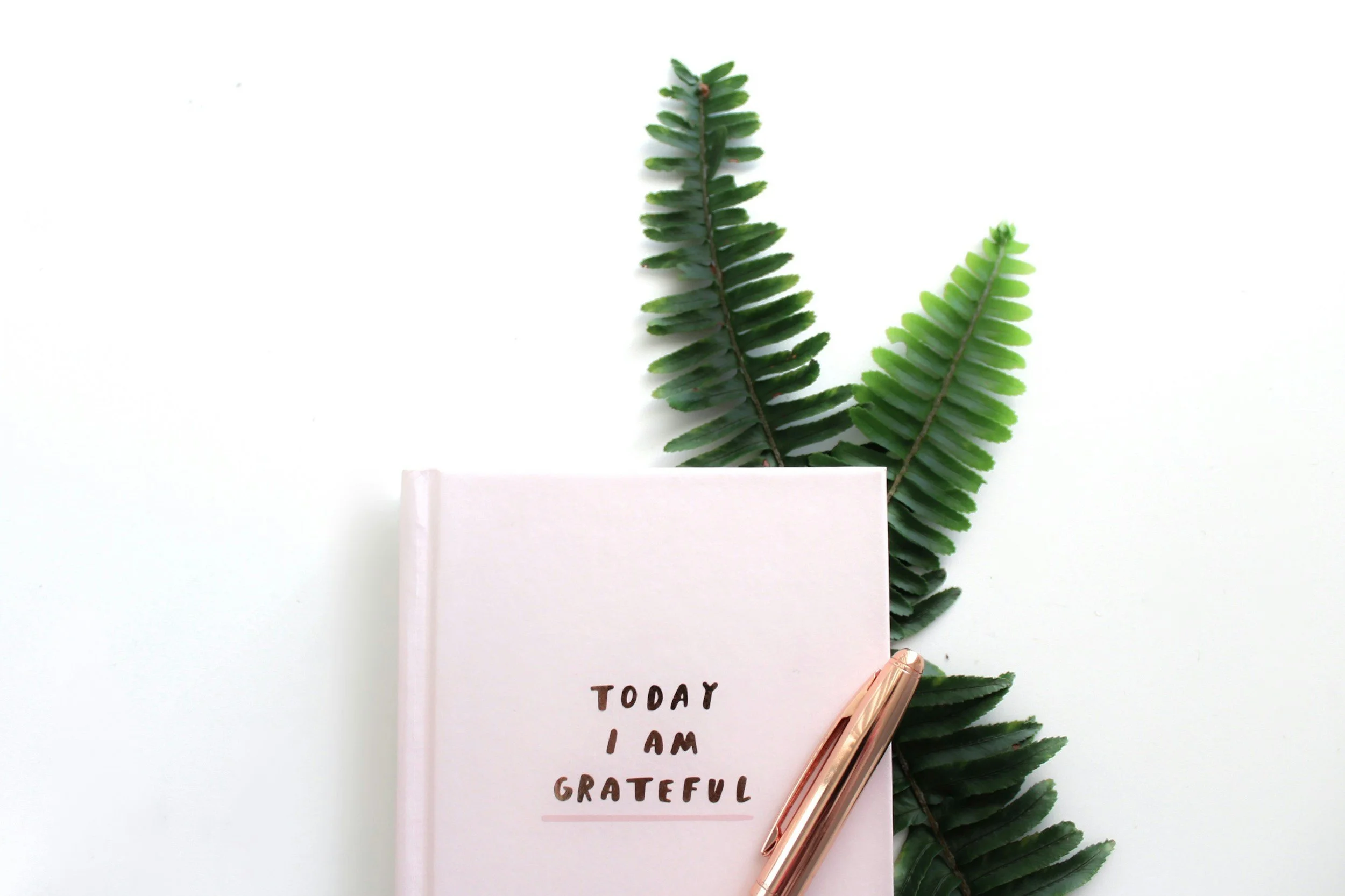
Gratitude and Therapy for High-Functioning Individuals
Many of my clients at Philadelphia Talk Therapy aren’t struggling with acute mental illness—they’re successful, thoughtful, and often highly self-aware. But they may feel disconnected from joy, unsure of what’s next, or perpetually dissatisfied despite accomplishments.
Positive psychology, including gratitude practices, can be a core part of therapy. We explore questions like:
What moments or people bring real fulfillment?
When do you feel most aligned with your values?
How do you want to mark or celebrate small wins?
When combined with deeper work on patterns, identity, or emotional wounds, these tools help create a more whole, values-driven experience of life.
Curious About Starting Therapy in Philadelphia?
If you’re curious about how to feel more grounded, purposeful, or connected—therapy might be a space to start. At Philadelphia Talk Therapy, I help clients integrate evidence-based tools like gratitude and positive psychology alongside modalities like CBT, IFS, and psychodynamic therapy.
Schedule a free 30-minute consultation to see if we might be a good fit. Sometimes the shift you’re looking for isn’t about doing more—it’s about noticing what’s already there.
Matt Sosnowsky, LCSW, MSW, MAPP is the founder and director of Philadelphia Talk Therapy. For over a decade, Mr. Sosnowsky has provided psychotherapy services in agency and private practice settings, helping individuals overcome mental health challenges, manage life transitions, and find passion & meaning in life.